

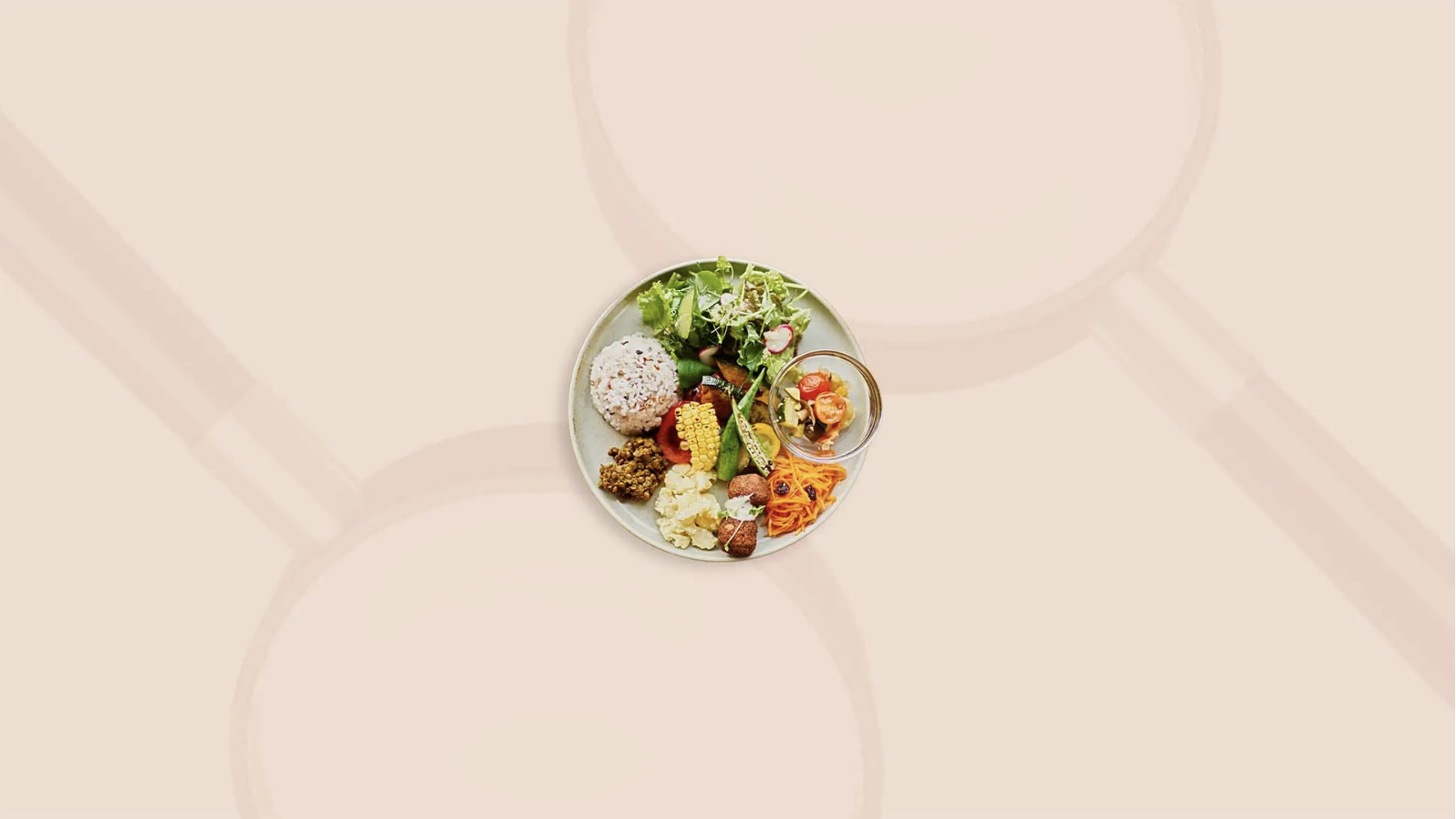
Customers are getting smaller portions of food when they go out to eat. Some are getting smaller drinks, too. What’s the deal with mini meals?
The U.S. is home to famously large portions, particularly in fast food, a sure contributor to the reported 41.9 percent of adults who have obesity. But that statistic has never seemed to affect the food industry’s approach. So why are they making portions smaller now?
As weight loss drugs rise in popularity, people’s appetites are shrinking. The answer? Mini meals.
According to a 2024 study conducted by the Kaiser Family Foundation, 12 percent of adults are on weight loss medication, or GLP-1 agonists, like Ozempic. Because these drugs curb users’ appetites, customers who take them don’t want to order as much when they go out to eat.
Max Tucci is one of the restaurant owners who’ve noticed.
“[Customers] aren’t ashamed to say, ‘I’m on Ozempic. Do you have a smaller portion?’” Tucci told Fox.
In response, Tucci’s New York restaurant, Tucci, started offering its popular meatballs and arancinis at reduced portions and prices. Other New York establishments are doing the same; customers can order Lulla’s aperitivo boxes, Back Bar’s tiny martinis and Clinton Hall’s “teeny weeny mini meal.” Smoothie King has offered a “GLP-1 support menu” in stores since March.
Gary Wallach, a managing partner of Renwick Hospitality Group in New York City, told the New York Times that he thinks customers are now seeking out smaller meals as often as vegetarian and vegan options. In that sense, restaurant owners catering to this group seem to be getting ahead of the curve.
The shift could prove to benefit the environment, too. According to Recycle Track Systems, the food service industry accounts for 40 percent of food waste in the US. If restaurants can continue to attract customers looking for smaller portions, they could be killing two birds with one stone.